
The Long History of Talking Heads
CBGB was a New York City music club opened in 1973 by Hilly Kristal and his ex-wife Karen Kristal at 315 Bowery in the East Village in Manhattan, New York City. The club was previously a dive bar.
The name of the club was CBGB. The club’s owner, Hilly Christal met Tom Verlaine who convinced him to start booking unsigned rock bands to fill the void on Saturday night. Tom Verlaine’s group, Television, was the first of these local heroes to start following the band. Soon enough the Patti Smith Group and the Ramones that were the first bands that first put CBGB’s on the musical map of the downtown.

On the night of June 5th, an unlikely looking group of musicians played their first professional engagement at a studiously seedy night club on Manhattan’s Lower East Side.

The band that made a debut that night, opening for the Ramones before a handful of patrons on the club’s fluorescent-lit stage, were called Talking Heads.
Talking Heads first show
@ CBGBs
The Girls Want to Be With the Girls
Play Video
Psycho Killer
Play Video
With Our Love
Play Video
Artists Only
Play Video
I Want to Live
Play Video
Warning Sign
The three members of the Talking Heads wore unremarkable haircuts and nondescript casual clothes. While the drummer and the guitarist displayed a rudimentary competence, their bassist, an elfin young woman named Tina Weymouth who had been playing her bass for barely six months. By the standards CBGB’s, Talking Heads played at a volume that was nothing short of demure.
The Talking Heads first public performance centered on the intensity of their singer-guitarist, David Byrne, their skeletal, arrangements and the quirky intelligence of their songs.
David stood stiffly at the microphone, his upper body jerking and jiggling like a shadow puppet. Instead of doing his best to command the stage and the room, Byrne looked trapped by his surroundings at any moment to make a break for the door.

As luck would have it within a few weeks of their professional debut, the three members of Talking Heads would be pictured on the cover of the Village Voice!
Over the next two years. CBGBs would establish itself as the epicenter of a style of music of a style of music that became known as “punk” fleeting in Lower Manhattan.
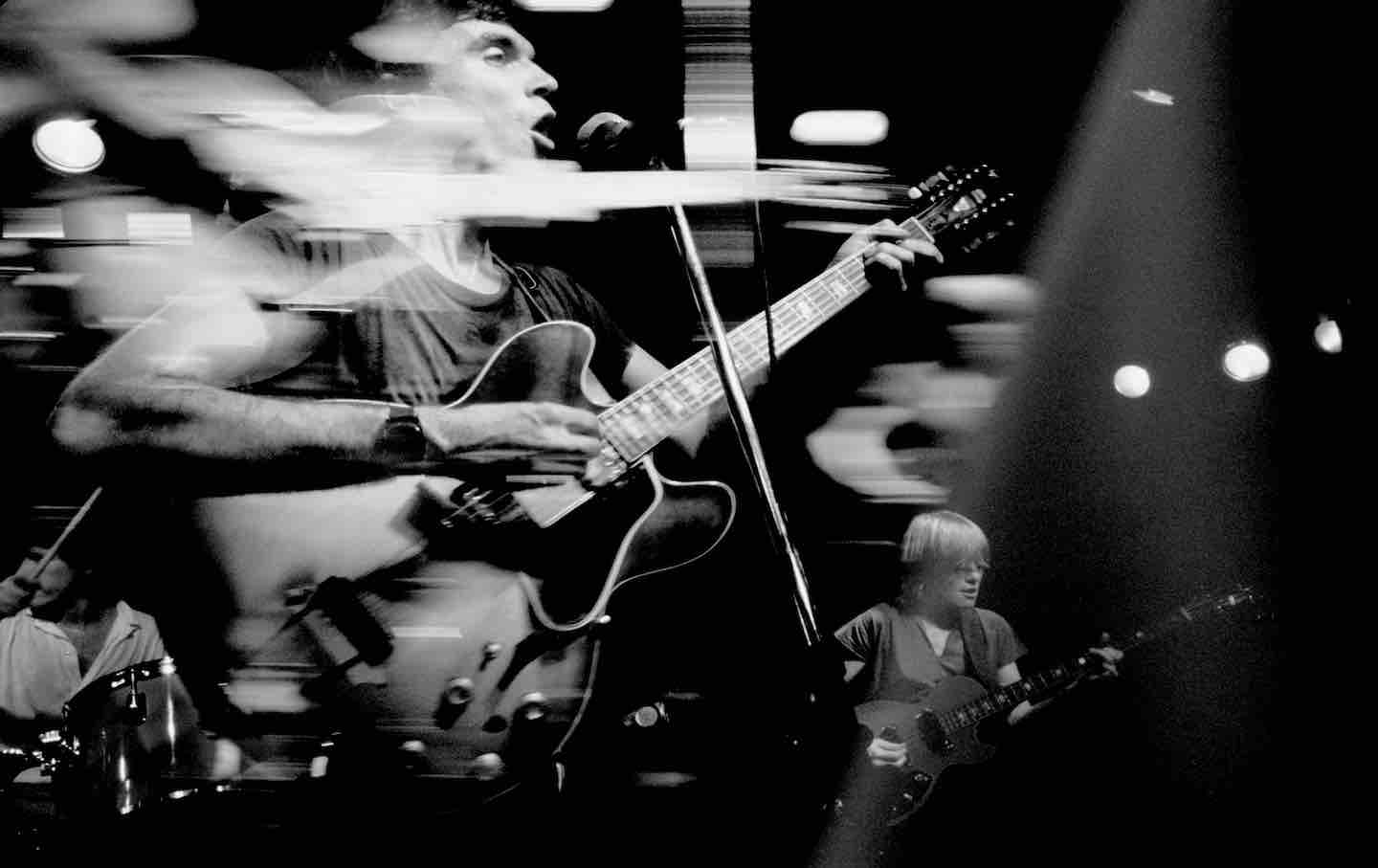
Talking Heads would emerge as a albino in the herd of this New York punk-rock scene as the one band whose combination of talent, originality, discipline, self-awareness, and steely artistic ambition would form the basis of a major musical career.
The Talking Heads debut at CBGBs marked the start of a two-year apprenticeship during which they performed a monthly basis while working on their original crop of songs they had fleshed their sound by adding a fourth member named Jerry Harrison on keyboard and guitar.
In the realm of popular music, Talking Heads became figureheads of a major shift that was taking place in New York city. Eight months after they began to rehearse on Christie Street, two months after their first professional engagement, Talking Heads had been plucked from obscurity and presented as the poster children of New York’s downtown music scene.
Byrne stated that “Along with a lot of other new groups, we’re very self-aware about where we perform, what we look like, how we appear for the press. The quality that set the member of Talking Heads apart in the milieu of CBGBs was matter of social class."
In September, Hilly Kristal brought the Talking Heads back to CBGBs for the first time since they appeared on the cover of the Voice, alternating sets with the Shirts. The Talking Heads were beginning to carve out a niche of their own in the desolate precincts of New York’s downtown scene.
CBGBs would be the Talking Heads base of their operations during the year. The Talking Heads thirty-minute set consists of a half-dozen tightly arranged songs.
They started off with a version of Psycho Killer that had been by the addition of a throbbing quarter-note bass line that gives the song an ominous edge.
By this time, their gigs at CBGBs were earning the members of Talking Heads a steady enough income that they had been able to quit their day jobs.
As America prepared to celebrate its bicentennial summer of 1976; Talking Heads settled into a steady routine of live performances that would carry them the rest of the year. Once a month they played three or four nights at CBGBs, beginning on the July 4th weekend.
Talking Heads also played occasional gigs that summer at My Father’s Place, a former bowling alley in the Long Island town of Roslyn that had been converted in the early 1970s into a major music venue presenting a wide range of Rock, Jazz, Blues and Reggae artists.
Jerry Harrison
In the middle of August, Jerry Harrison came down from Boston to play with the Talking Heads at their new loft in Long Island City. The Talking Heads had spent a year and a half developing a distinctive sound of their own and Jerry Harrison’s role would be to enhance the band’s sound. Talking Heads informed Seymour Stein that they were ready to sign with the Sire label. The band had convinced themselves that an independent label like Stein would afford them greater attention and autonomy that they would receive.
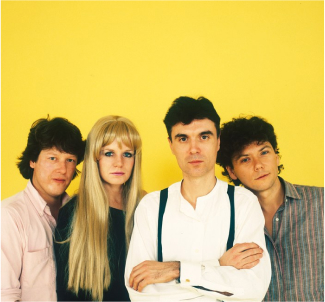
In January 1977, while they waited for their single to be mastered, David Byrne, Tina Weymouth and Chris Frantz turned their attention to welcoming Jerry Harrison into the Talking Heads.
Jerry Harrison’s arrival marked a similar maturation in the evolution of Talking Heads. In March when the group made its debut as a quartet at CBGBs, a London booking agent named Ed Bicknell invited the Talking Heads to serve as the opening act for the Ramones on a low-budget tour of Britain and the Continent. At the beginning of April, the band returned to begin recording the tracks for their first album on Sire Records.
The members of Talking Heads may not have been quite as cultured and brainy as their reputation in the world of downtown rock would suggest. The band decided to move to Media Sound which was a converted Baptist church whose acoustics made it one of the best “live” studios in New York. The addition of Jerry Harrison’s keyboards and guitar had already thickened the band’s sound.
The Talking Heads four-night stand at CBGBs in August 1977, on the eve of the release of their first album, would mark their last scheduled appearance at CBGBs.
The Talking Heads kept their instrumental over-dubs to a minimum. David and Jerry added guitar and keyboard parts to some of the tracks. Work on the album was completed by the middle of August.
As children of the 1960’s, the members of Talking Heads had come of age. It was only when David Byrne, Chris Frantz, and Tina Weymouth began to play together with a real seriousness of purpose that they began to deal with the subtleties of tempo and syncopation that the rhythms of Soul and Funk would be in demand. It was not until they added Jerry Harrison to their group that they could bring the crucial element of relaxation beat on how they put those rhythms across.
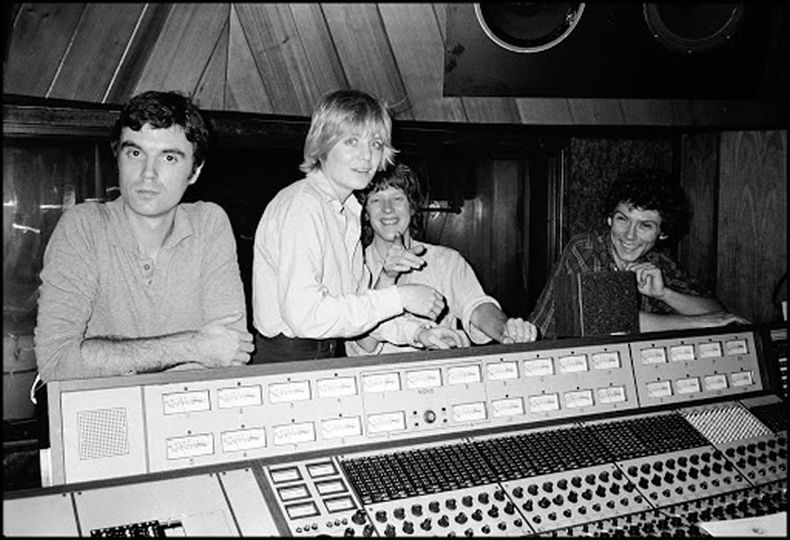
After three years of living on the cheap in the United States, Europe, and Britain, the tropical ambience of Compass Point felt like paradise to the members of Talking Heads.
The band arrived in the middle of March and settled in for a monthlong stay. Brian Eno had joined the band and the Talking Heads were delighted with his plan to have the band set up in the middle of the Studio at Compass Point as if they were on stage.
This enabled the band to capture the sound as they conceived it while still allowing for adjustments in the volume and tone of each instrument and the overdubbing of vocals and instrumental parts.
The band recorded the basic tracks for an album worth of songs in less than a week. In a experimental atmosphere, Talking Heads recorded and mixed eleven tracks. The band decided to name the record More Songs About Buildings & Food.
The Talking Heads had added Take Me to the River to their lively up shows early in 1977 which was inspired by the addition of Jerry Harrison’s organ with elements of the Soul band Booker T. & the M.G.’s.
As children of the 1960’s, the members of Talking Heads had come of age. It was only when David Byrne, Chris Frantz, and Tina Weymouth began to play together with a real seriousness of purpose that they began to deal with the subtleties of tempo and syncopation that the rhythms of Soul and Funk would be in demand.
It was not until they added Jerry Harrison to their group that they could bring the crucial element of relaxation beat on how they put those rhythms across.
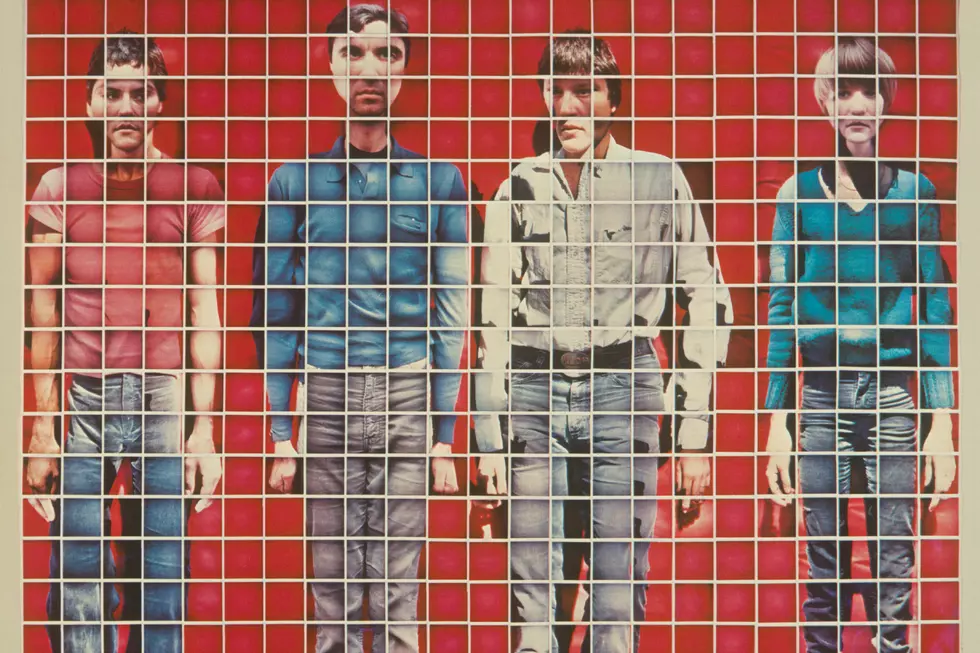
“No longer merely a New York cult band, no longer even simply the best performing rock group in the city; the Talking Heads have entered the commercial mainstream of popular music.” (New York Times)
With modest support from Warner Bros. Records, Talking Heads spent the five months following the release of More Songs About Buildings and Food on tour, performing some eighty shows at clubs, colleges, and small theaters across the United States.
Having paid their respects to their home town fans, the Talking Heads spent the remainder of August playing club dates in Boston, Chicago and Minneapolis as their album climbed into Billboard’s Top Ten.
Talking Heads were on tour when the Mudd Club first opened, and it was not until the winter of 1979 that they became regular patrons of the place.

Lester Bangs
“These are mutant times, and Talking Heads are the most human mutant groups.” Lester Bangs
Talking Heads on their Summer Tour previewed several of the songs on their forth coming album which they decided to call Fear of Music.
“These are mutant times, and Talking Heads are the most human mutant groups.” Lester Bangs
Talking Heads on their Summer Tour previewed several of the songs on their forth coming album which they decided to call Fear of Music.
Fear of Music began with I Zimbra. The instrumental backing of the song was pieced together in the studio from a series of guitar riffs that reflected Byrne’s fascination with an Afrobeat capped by a cawing trill that evokes a jangle ambience worthy of a Tarzan film.
On an album filled with abstract wordplay, Life During Wartime delivers a torrent of seamless narrative set to a deadpan melody and an urgent two-chord vamp.
After playing a series of dates in the Northeast that gave the band a chance to integrate the songs from Fear of Music into their repertoire.
Talking Heads highly acclaimed fourth album, was nearly never made. In 1980, Tina Weymouth devised a plan to entice Byrne and Eno into jamming with the rest of the group at their loft and, based on the positive energy in the room, agreeing seemed to make a new album.
Talking Heads booked three weeks at Compass Point Studios in Nassau in July. The methodology Talking Heads adopted for sessions as based on the approach they had taken on I Zimbra and Life During Wartime. For the most part, the band recorded simple loop-like rhythm tracks which often began with just the drums; or bass and drums.
Once an individual riff was recorded along the way, everyone involved with the sessions at Compass Point seemed to revel in a loose, experimental atmosphere. Talking Heads left Nassau after three weeks with a new sense of creative possibility, based on the feeling shared by Jerry, Chris, and Tina that they had been involved in the actual composition of the music as never before.
One of the virtues that contributed to the impact and influence of Remain in Light was the sheer breath of its innovation.

Talking Heads had received a lucrative offer to perform at Heatwave at Heatwave; a rock festival that was being held at a racetrack outside of Toronto that featured a bill with Elvis Costello, Talking Heads, the Pretenders, and the B-52’s. They were also scheduled to appear at the Dr. Pepper Music Festival in Central Park one week after that.
The set that Talking Heads performed on their 1980 tour was designed to ease their audience into an acceptance of the expanded band. They retained Psycho Killer as their opening number with Adrian Belew on lead guitar. Adrian Belew gave the Talking Heads a real lead guitarist for the first time, but most important, it freed David Byrne to focus his attention on his singing as never before.
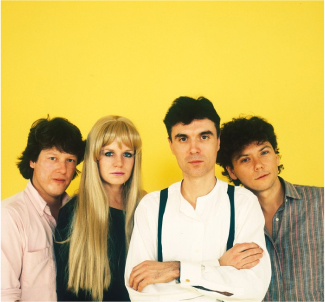
The Talking Heads had come a long way from the frozen tableau of their years as a trio or quartet. The Talking Heads had arrived at a level of stage-craft that many bands reach before they can do much else.
The Talking Heads gathered at Chris and Tina’s loft to begin work on material for their next album. It had been nearly two years since the release of Remain in Light. Tina’s pregnancy and their summer tour schedule made it unlikely that they would have enough to record and release a new album in 1982, but they needed to make a start. The four of them had agreed to produce the album themselves and to retain the approach they used on Remain in Light on a riffs and elaborating the results in the songs.
At the end of June, the band left on their monthlong tour of Europe, which included performances at rock and jazz festivals in Belgium, Switzerland and Germany, along with to nights at London’s Wembley Arena along with along with a dozen concerts in France, Italy, Hungry, Greece and Yugoslavia. Tom Tom Club opened for them at each venue, with Tina at center stage, flanked by her mini-skirted sisters, Laura and Lani to the lighthearted spirit of their sets.
The Talking Heads ninety-minutes sets began with Psycho Killer. When the tour of Europe ended in late July, David Byrne did not return to the United States with the rest of the band.
In the second week of August, Talking Heads reunited with Bernie Worrell and began their US tour with a string of sold-out concerts in California. A stadium show with The Police in Toronto was followed by dates in the Midwest, a triumphant home coming at Forest Hills Tennis Stadium in New York and a half-dozen concerts in the Northeast.
Speaking in Tongues enters gently, fading in on a whirl of guitar and dreamy synth notes, followed by one deep thud and a stunning cascade of tom toms that deliver the song to its verse. Burning Down the House sets the loosely associative, illogical standard for everything that follows on Speaking in Tongues. One of the many virtues of the Talking Heads playing on Speaking in Tongues was the newfound variation that Chris Frantz brought to his drumming.
Talking Heads had never come close to playing with this rhythmic inflection. Swamp opens with a strutting backbeat, a whimper of synth as David does his best to assume a shamanistic pose as he says, “The devil has a plan.” Byrnes newfound determination to stop making sense seems to have left him, in song after song, verse after verse, bursting with things to say.
Speaking in Tongues serves as an extended setup for the album’s final track… This Must Be the Place (Naïve Melody). David Byrne found himself as “just an animal, looking for a home.”
Speaking in Tongues enters gently, fading in on a whirl of guitar and dreamy synth notes, followed by one deep thud and a stunning cascade of tom toms that deliver the song to its verse.
Burning Down the House sets the loosely associative, illogical standard for everything that follows on Speaking in Tongues. One of the many virtues of the Talking Heads playing on Speaking in Tongues was the newfound variation that Chris Frantz brought to his drumming.
Soon after, Burning Down the House reached the Top Ten single that Talking Heads had been waiting all along. The music video of Burning Down the House went into heavy rotation on MTV.
In July, the Talking Heads rented a space on one of the dilapidated piers along the river and began a month of rehearsals for their upcoming tour in support of Speaking in Tongues.
At the end of August, Talking Heads played two nights at the Greek Theatre in Los Angeles and filmmaker Jonathan Demme attended the show and was stunned by the change in the band. There were interracial troupes of singers, dancers, and instrumentalists. Jonathan Demme met with David Byrne and pitched the idea of making a film of their show. There was Talking Heads enjoyed performing in Australia and New Zealand.
The film was first screened in April, on the last night of the San Francisco Film Festival, where the audience in the theater applauded wildly after each number. Though no one could have guessed it at the time, this marked the end of Talking Heads 8th year career as a performing band.
When Talking Heads met in New York shortly after the first of the year, David presented his bandmates with demo recordings he had made of eighteen new songs, half he had written for the soundtrack for True Stories.
Talking Heads left Nassau after three weeks with a new sense of creative possibility, based on the feeling shared by Jerry, Chris, and Tina that they had been involved in the actual composition of the music as never before. One of the virtues that contributed to the impact and influence of Remain in Light was the sheer of breadth of its innovation.
The set that Talking Heads performed on their 1980 tour was designed to ease their audience into an acceptance of the expanded band. They retained Psycho Killer as their opening number with Adrian Belew on lead guitar. The addition of Adrian Belew gave the Talking Heads a real lead guitarist for the first time, but most important, it freed David Byrne to focus his attention on his singing as never before.

The Talking Heads had come a long way from the frozen tableau of their years as a trio or quartet. The Talking Heads had arrived at a level of stage-craft that many bands reach before they can do much else.
The Talking Heads gathered at Chris and Tina’s loft to begin work on material for their next album. It had been nearly two years since the release of Remain in Light.
Tina’s pregnancy and their summer tour schedule made it unlikely that they would have enough to record and release a new album in 1982, but they needed to make a start. The four of them had agreed to produce the album themselves and to retain the approach they used on Remain in Light on a riffs and elaborating the results in the songs.
At the end of June, the band left on their monthlong tour of Europe, which included performances at rock and jazz festivals in Belgium, Switzerland and Germany along with to nights at London’s Wembley Arena along with along with a dozen concerts in France, Italy, Hungry, Greece and Yugoslavia. Tom Tom Club opened for them at each venue, with Tina at center stage, flanked by her mini-skirted sisters, Laura and Lani to the lighthearted spirit of their sets.
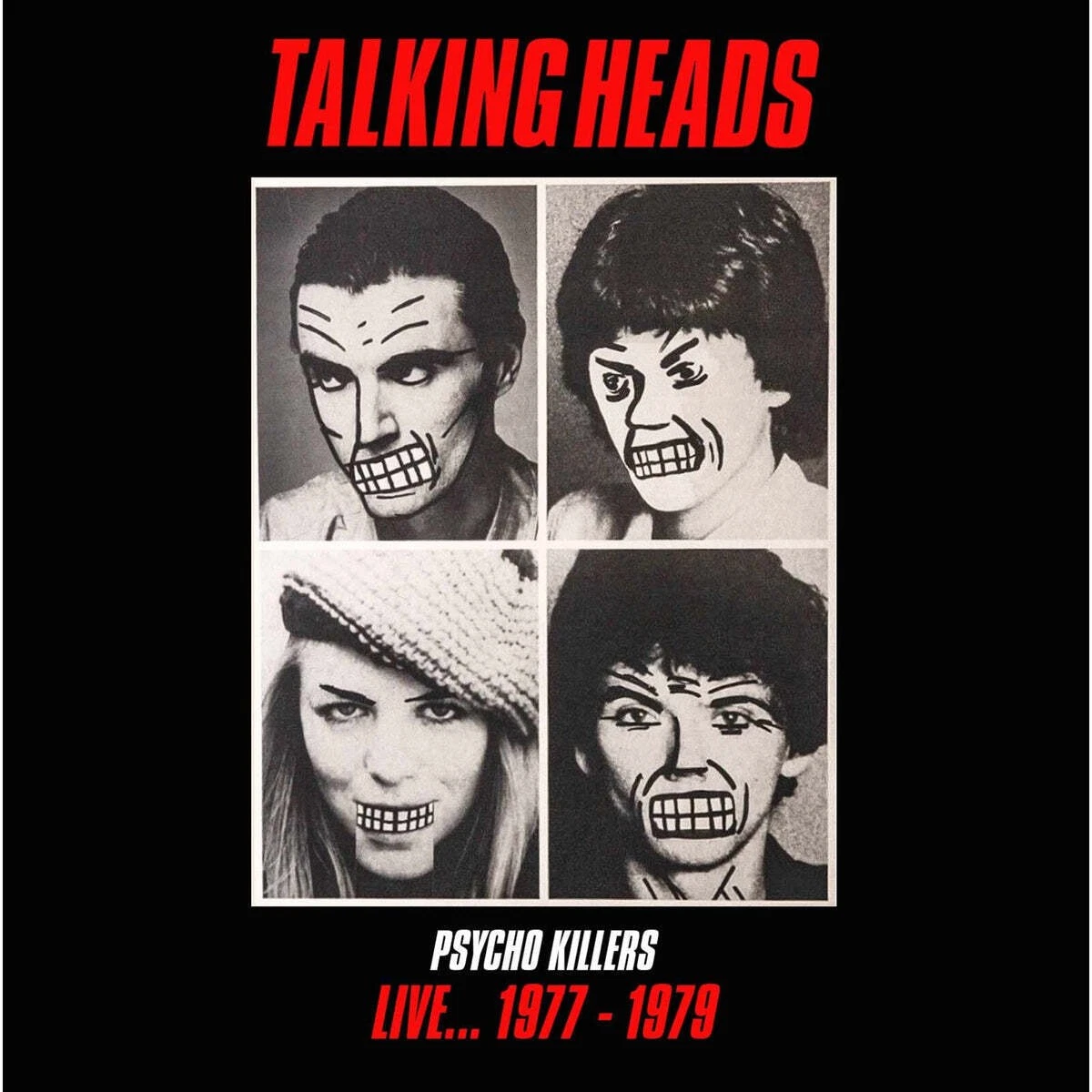
The Talking Heads ninety-minutes sets began with Psycho Killer. When the tour of Europe ended in late July, David Byrne did not return to the United States with the rest of the band.
In the second week of August, Talking Heads reunited with Bernie Worrell and began their US tour with a string of sold-out concerts in California. A stadium show with The Police in Toronto was followed by dates in the Midwest, a triumphant home coming at Forest Hills Tennis Stadium in New York and a half-dozen concerts in the Northeast.
Speaking in Tongues enters gently, fading in on a whirl of guitar and dreamy synth notes, followed by one deep thud and a stunning cascade of tom toms that deliver the song to its verse.
Talking Heads had never come close to playing with this rhythmic inflection. Swamp opens with a strutting backbeat, a whimper of synth as David does his best to assume a shamanistic pose as he says, “The devil has a plan.” Byrnes newfound determination to stop making sense seems to have left him, in song after song, verse after verse, bursting with things to say.
In July, the Talking Heads rented a space on one of the dilapidated piers along the river and began a month of rehearsals for their upcoming tour in support of Speaking in Tongues.
At the end of August, Talking Heads played two nights at the Greek Theatre in Los Angeles and filmmaker Jonathan Demme attended the show. Now seeing the Talking Heads, Demme was stunned by the change in the band. There were interracial troupes of singers, dancers, and instrumentalists. Jonathan Demme met with David Byrne and pitched the idea of making a film of their show. There was Talking Heads enjoyed performing in Australia and New Zealand.
It was first screened in April, on the last night of the San Francisco Film Festival, where the audience in the theater applauded wildly after each number. Though no one could have guessed it at the time, this marked the end of Talking Heads 8th year career as a performing band.
When Talking Heads met in New York shortly after the first of the year, David presented his bandmates with demo recordings he had made of eighteen new songs, half he had written for the soundtrack for True Stories; the rest David felt it would be for release on Talking Heads next album.
In February, after spending several weeks learning to play this new material, the Talking Heads booked time at Sigma Sound and began recording the basic tracks for nine of these new songs.
The Talking Heads began rehearsing and ultimately recording the songs that David had written for True Stories while they were still mixing the nine Byrnes adventures. Byrnes adventures outside the group made the future of Talking Heads uncertain.
The band considered many titles for the album before deriving Little Creatures which was scheduled for release in the middle of June. Little Creatures ends with a song that took its title and chorus from a dreamy lyric about a perfect girl in a perfect world.
The final song Road to Nowhere seeks to apply its spirit of jubilant community to the journey not the end. Later on the Talking Heads returned to CBGB’s for a photo shoot at the scene of their first success.
Jerry Harrison stated that “If there was anything that Talking Heads was always about, it was restraint. We always stood for just being ourselves. Human. Many bands deal in fantasy. There is nothing wrong with that but that was not our intention. You can start to believe the fantasy about yourself, and as an artist, it can wear out quickly.”
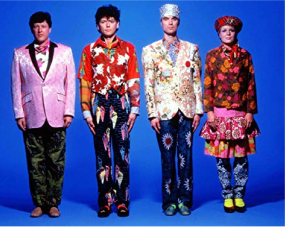
In the summer of 1986, the four members of Talking Heads met in New York to discuss the prospect of making a new album.

Talking Heads: Live In Rome Full Concert
After the fast-paced experience of recording the eighteen songs on Little Creatures and True Stories, Jerry, Chris and Tina expressed a desire to return to the collaborative approach the group had last taken on Speaking in Tongues building the songs from the ground up, beginning with improvisatory grooves. And if all went well, it would produce a body of new material that might inspire David to tour once again.
And She Was from the album Little Creatures (1985)
David, Jerry, Chris and Tina jamming together at a rehearsal studio in Manhattan for a couple of weeks, recording dozens of rhythmic grooves. They rehearsed their songs to the point where they could play them, instrumentally, from beginning to end.
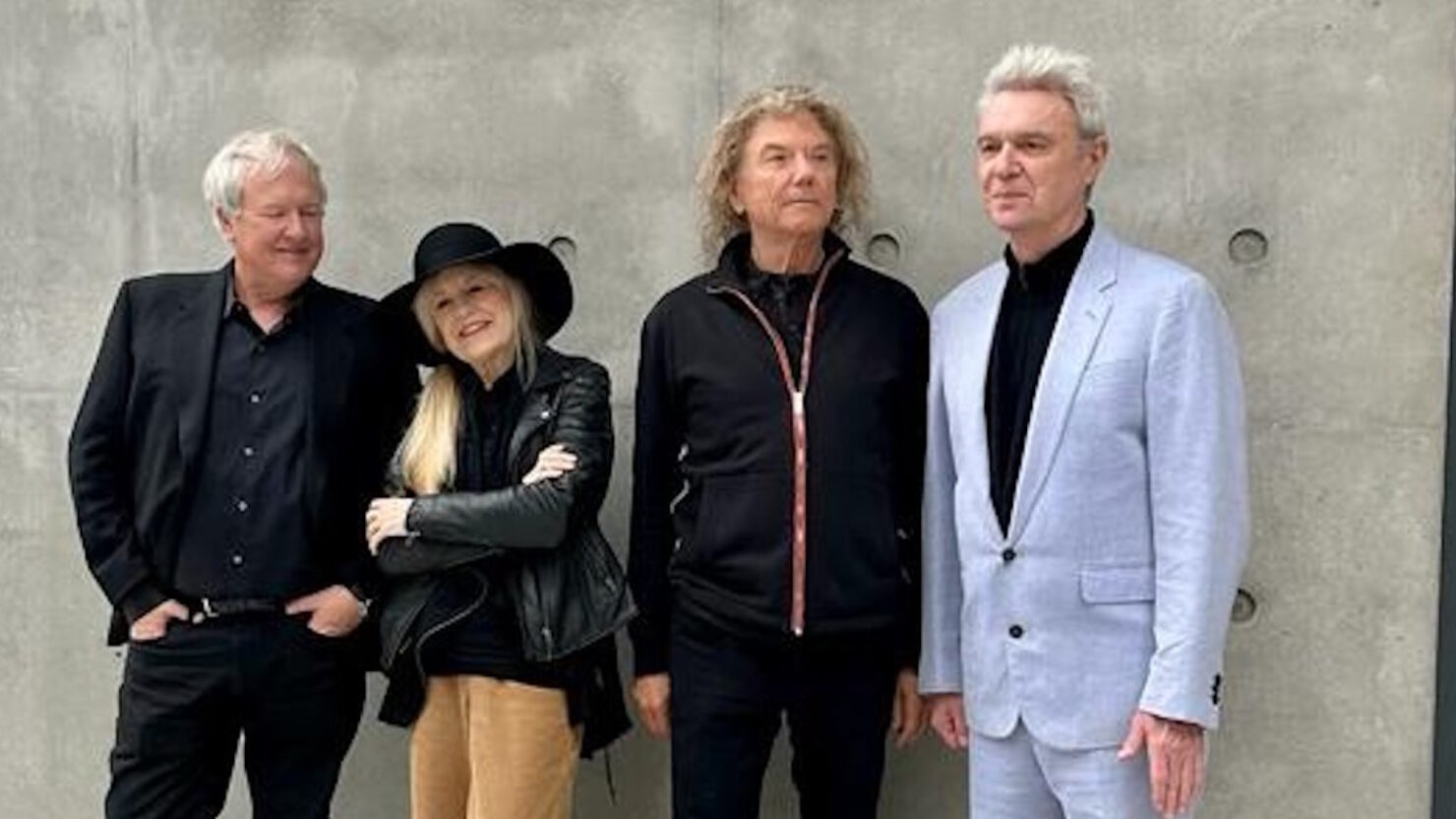
It had been many years since the Talking Heads had shared a point of view. The suspension of their career as a touring band in the winter of 1984 had marked the last time the four of them did much of anything together, as a group, apart from making records and going through the motions of promoting them.
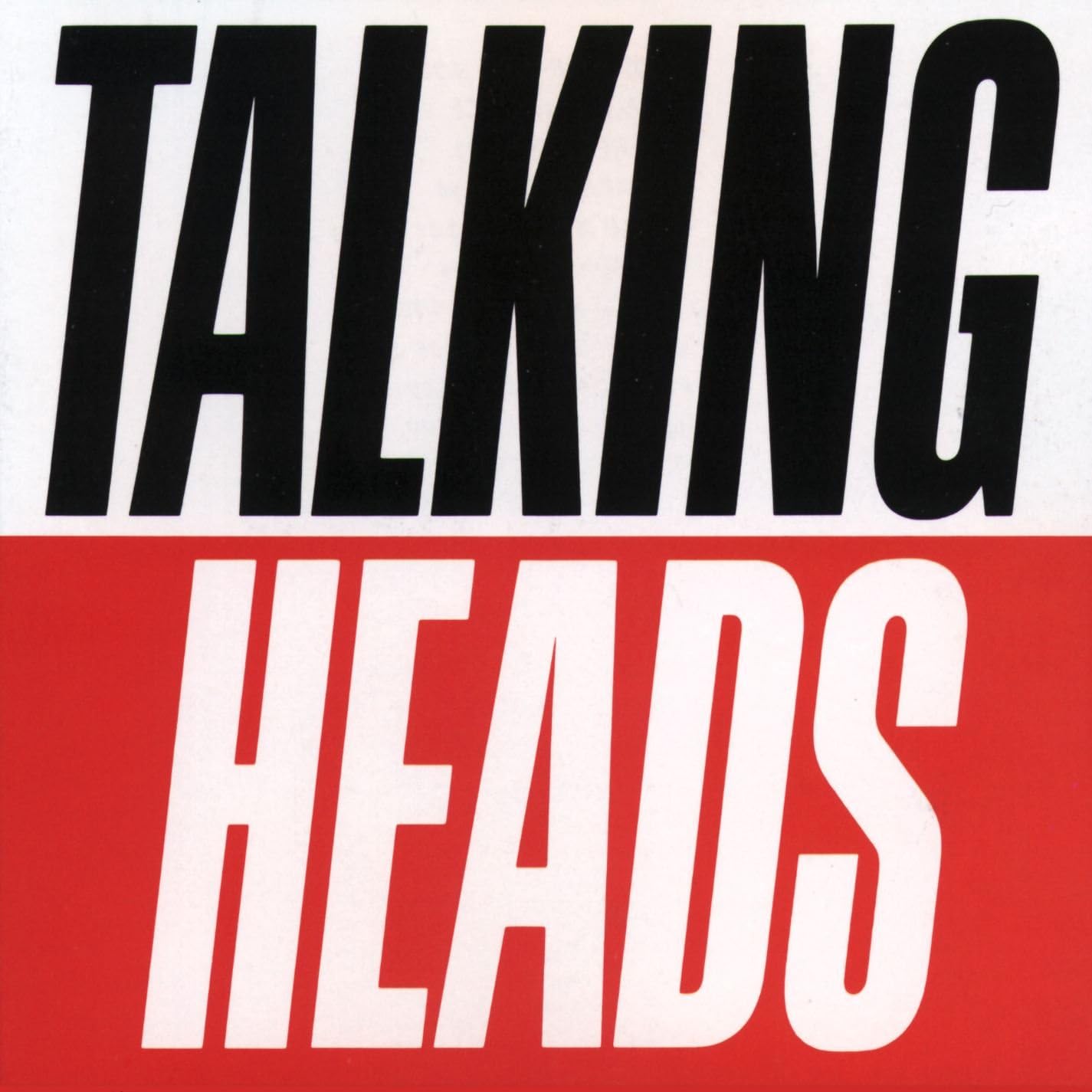
Upon its release in March 1988, their final album, aptly titled Naked, would lay bare the extent to which this was true.
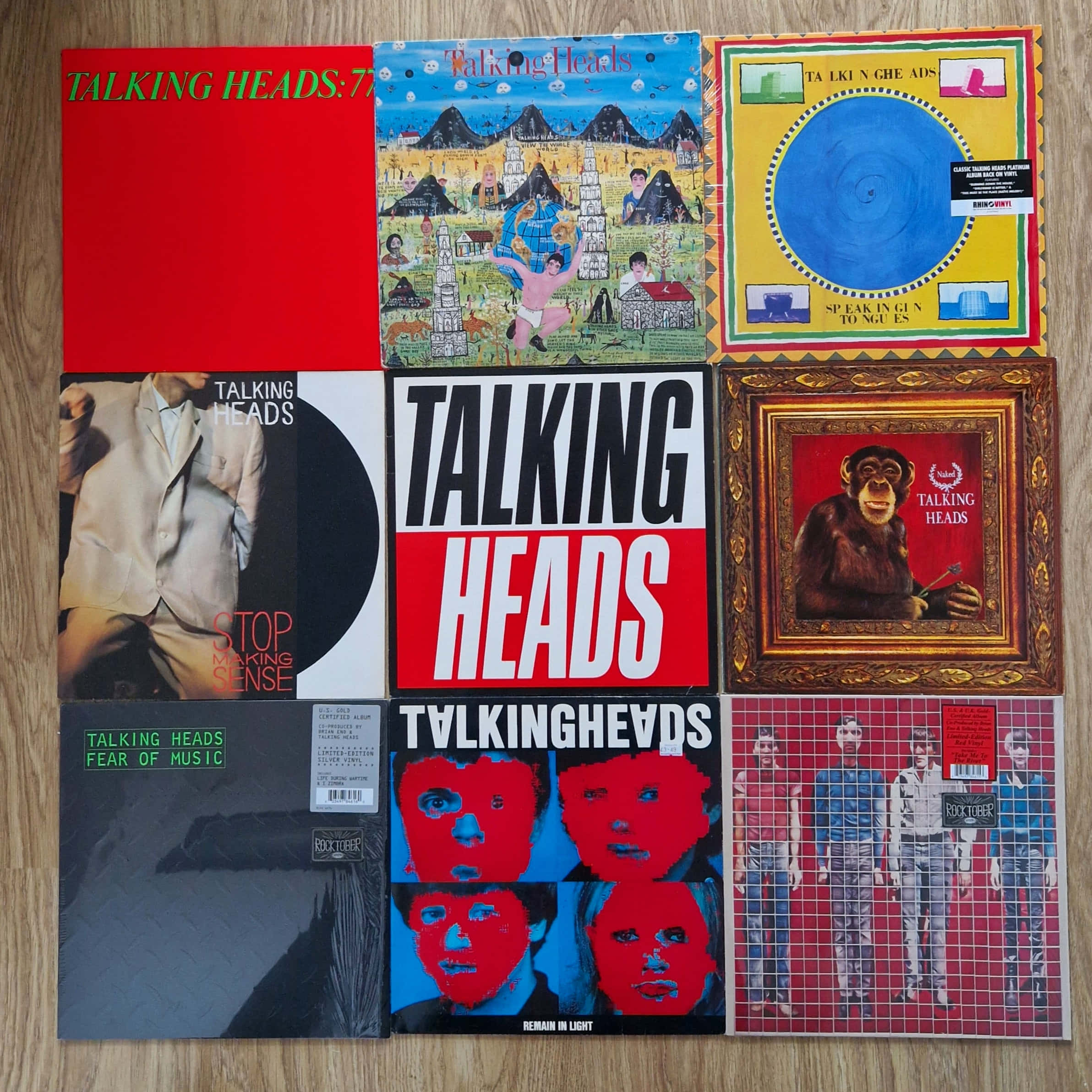
The Talking Heads released a total of 9 albums (two of them Live) in the ten years since 1977. The members of Talking Heads would never suggest that their tenth album was made with the knowledge it could well be their last.
Deep in the capture of This Must Be the Place, David Byrne found himself as “just an animal, looking for a home.”
TRAGIC NEWS
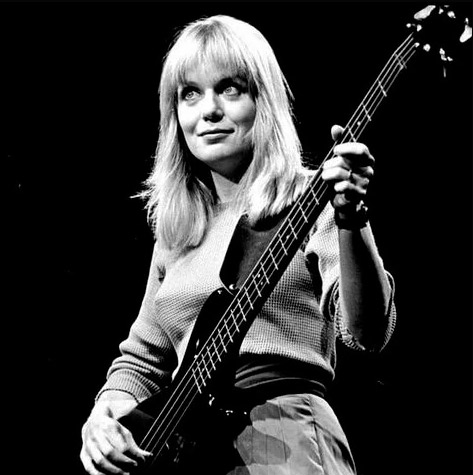
Chris Frantz Announced the passing away of his wife Tina Weymouth of Talking Heads at 74 in 2025. Her music lives on.
Talking Heads
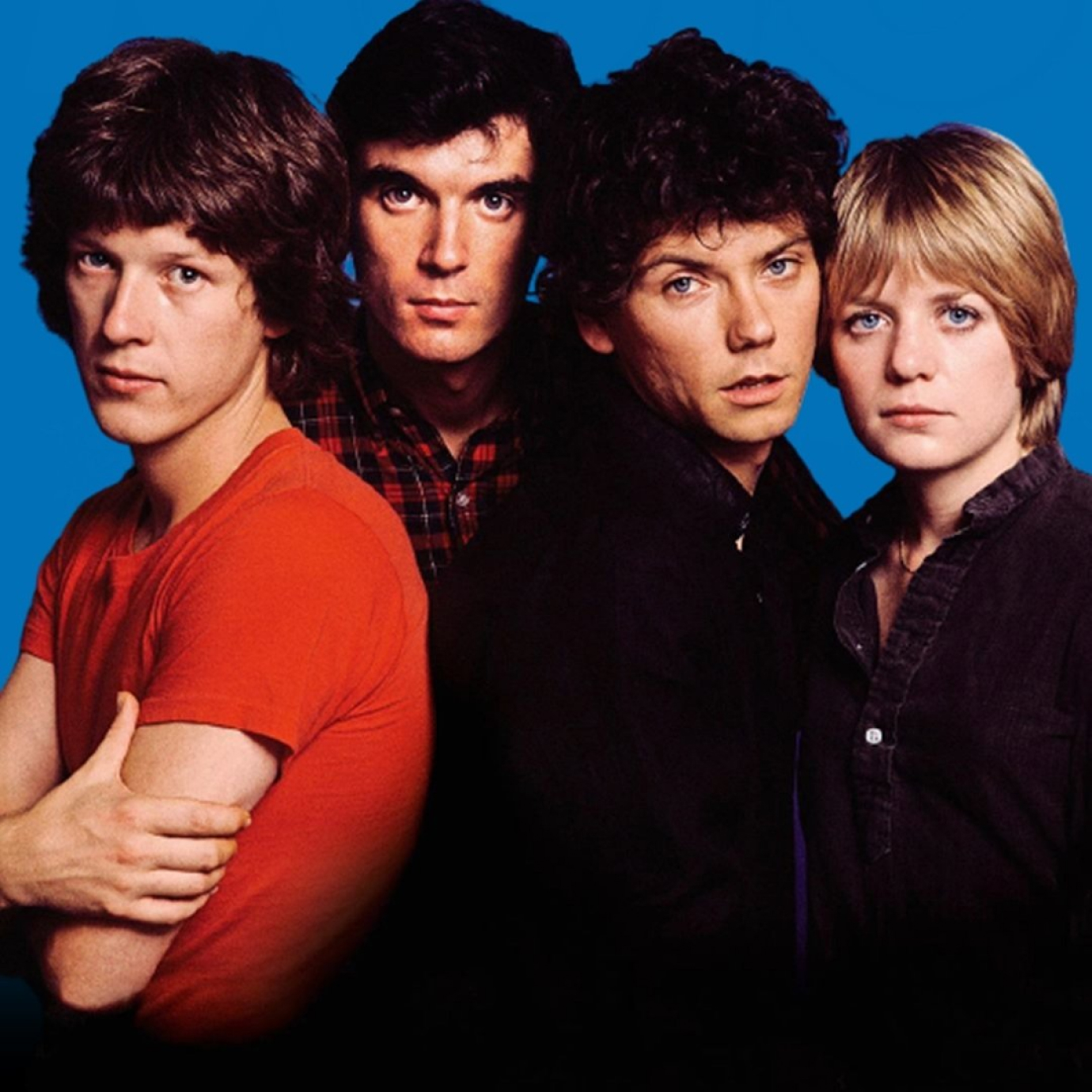
Between 1977 and 1988, Talking Heads released eight studio albums, each pushing boundaries and exploring new musical directions.
Their debut, Talking Heads: 77, introduced them with jittery, angular guitar work and offbeat lyricism, most notably on Psycho Killer, which became their first major single. With More Songs About Buildings and Food (1978), they began their long-running collaboration with producer Brian Eno, leading to a richer, more rhythmic sound.
Fear of Music (1979) experimented with darker, more textured compositions, while Remain in Light (1980) incorporated African polyrhythms and funk grooves, resulting in one of their most groundbreaking works.
Throughout the 1980s, albums like Speaking in Tongues (1983) and Little Creatures (1985) brought them greater commercial success, culminating in their final studio release, Naked (1988).